


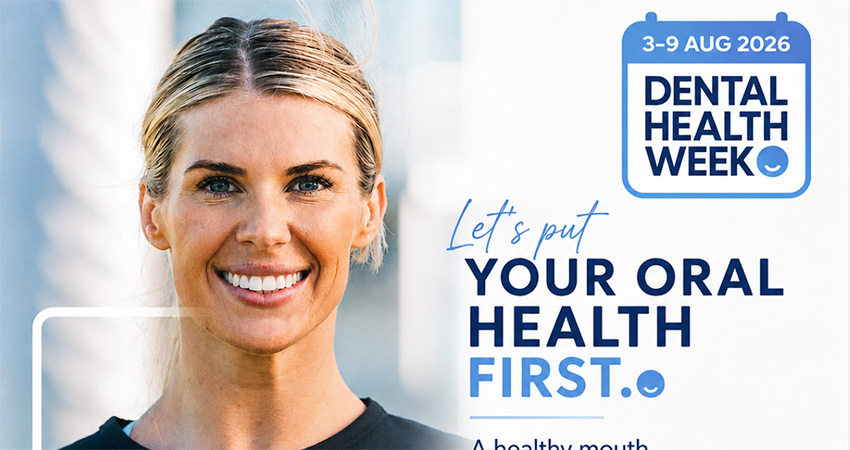
Dental Health Week 2026: Back to the dentist!
Each year, Dental Health Week encourages Australians to focus on the importance of oral health and the role it plays throughout every stage of life. This year’s theme, Back to the dentist! highlights how dental health supports us from childhood through to adulthood and beyond.
Oral health is not just about having straight or white teeth. Healthy teeth and gums affect comfort, confidence, eating, speaking, sleeping, and overall wellbeing. The small habits developed over time can have a lasting impact on oral health long into the future.
One of the most important messages behind this year’s theme is that every age and stage brings different dental needs. What matters during childhood may differ greatly from what becomes important later in life, which is why preventive care and regular monitoring remain valuable throughout every stage of development.
For young children, healthy oral habits often begin earlier than many parents realise. Baby teeth play an important role in eating, speech development, jaw growth, and guiding adult teeth into position. Establishing positive brushing habits early helps create stronger long-term routines as children grow older.
Regular dental visits during childhood also allow developing concerns to be identified early. Dentists monitor growth, hygiene habits, enamel development, crowding, bite alignment, and other changes that may affect oral health over time.
As children move into their teenage years, oral health challenges often change. Orthodontic concerns, sports injuries, diet choices, and inconsistent hygiene habits can all become more common during adolescence.
Teenagers also experience significant growth and lifestyle changes, making regular dental care especially important during this stage. Habits formed during teenage years frequently continue into adulthood, including both positive and negative oral health routines.
For adults, busy schedules often become one of the biggest barriers to maintaining oral health. Work, family responsibilities, financial pressures, and stress can all make it easy to delay dental visits or overlook small symptoms.
Unfortunately, many dental problems begin quietly and gradually. Tooth decay, gum disease, cracked teeth, grinding, and enamel wear may all progress for long periods without causing obvious pain initially. By the time discomfort appears, treatment may become more complicated than it would have been earlier.
Preventive dental care focuses heavily on identifying concerns before they become larger issues. Routine examinations are not simply about cleaning teeth. Dentists also assess gum health, bite function, wear patterns, fillings, soft tissues, jaw joints, and signs of underlying dental disease.
Many adults are also surprised by how strongly stress can affect oral health. Teeth grinding and jaw clenching are increasingly common and may contribute to headaches, worn teeth, jaw discomfort, cracked teeth, and sensitivity over time.
As people get older, maintaining oral health continues becoming increasingly important. Ageing naturally affects teeth and gums, and existing dental work may eventually require maintenance or replacement. Dry mouth, gum recession, wear, and changes in general health can also influence oral health later in life.
The good news is that healthy smiles are not about perfection. Oral health is usually shaped by small consistent habits over time rather than dramatic changes.
Brushing thoroughly twice daily, cleaning between teeth, drinking water regularly, maintaining balanced eating habits, and attending routine dental check-ups all help support long-term oral health. Even small improvements in daily habits can make a significant difference over many years.
This year’s Dental Health Week theme also highlights the importance of education and awareness. Many people still assume dental visits are only necessary when something hurts, but preventive care remains one of the most effective ways to protect oral health long-term.
Early intervention often allows smaller issues to be managed more conservatively and comfortably before significant damage develops.
Importantly, oral health also affects confidence and quality of life. Feeling comfortable smiling, eating, speaking, and socialising plays an important role in emotional wellbeing at every age.
Whether it is helping children build healthy habits, supporting teenagers through orthodontic development, maintaining healthy adult smiles, or protecting ageing teeth and gums, every stage of life benefits from good oral care.
Dental Health Week serves as a reminder that oral health is not something to think about only occasionally. It is an ongoing part of overall wellbeing that evolves throughout life.
If it has been a while since your last dental visit or if you would like support maintaining healthy teeth and gums at any stage of life, come visit us. Our team is here to help support healthy smiles through every S-milestone for you and your family.


0